This is precisely where functional nutrition plays a central role. Rather than simply counting calories or prescribing restrictive diets, this approach seeks to understand the woman as a whole — considering emotional, environmental, cognitive, genetic factors, and lifestyle — in order to identify and correct imbalances underlying the symptoms.
Within the context of Smart Aging, functional nutrition promotes health, longevity, and the prevention of premature ageing. It is not just about what we eat, but also how, how much, and when we eat. Nutrition shifts from being temporary or restrictive to becoming conscious, sustainable, and personalised.
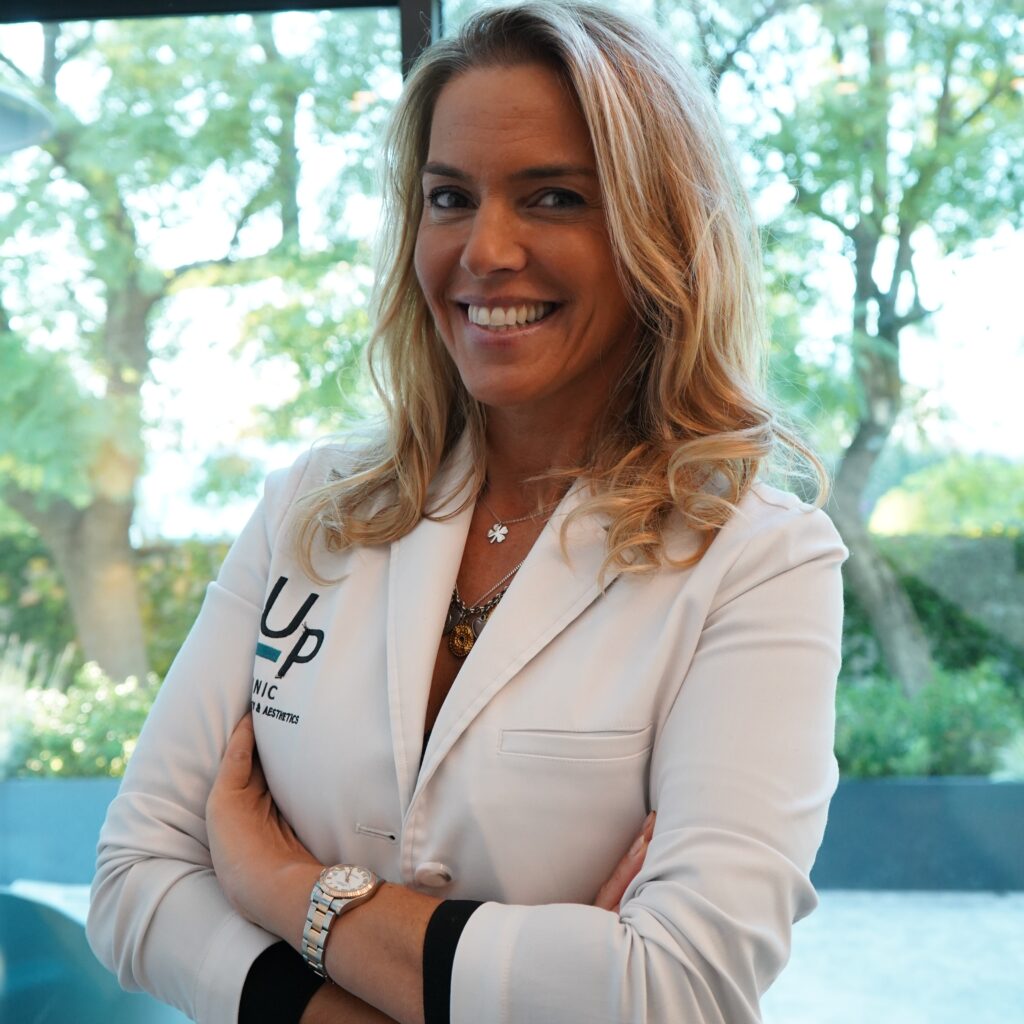
Below, we share some of the most frequently asked questions heard in consultation, answered by nutritionist Dr Rita Andrade.
Does menopause inevitably lead to weight gain?
No. The decline in oestrogen does favour fat redistribution to the abdominal area and reduces energy expenditure due to a decrease in basal metabolic rate.
However, in nutrition we adapt dietary strategies — whether through thermogenic foods or physical exercise combined with foods that support muscle mass gain or preservation. This allows for excellent results with real weight loss.
Does menopause really cause mood changes and anxiety?
Yes, it does. During menopause, lighter sleep is common, along with a reduction in neurotransmitters such as serotonin and dopamine. This is a neuroendocrine issue that may manifest as anxiety, irritability, or mood changes.
In functional nutrition, we work with foods that help modulate these changes. For example, cocoa (when high in cocoa content and low in sugar) may contribute to well-being. Calming herbal infusions, such as chamomile, are also frequently used.
In addition, strategic food choices are defined to help control cravings — that sudden and intense urge to eat — prioritising low-calorie options that can be consumed in greater quantities without compromising metabolic balance.
Does diet influence hot flashes?
Yes, it does. In functional nutrition, we aim to reduce or eliminate foods that may worsen hot flashes, such as alcohol, sugar, and ultra-processed foods. At the same time, we increase the intake of:
- High-quality protein
- Phytochemicals
- Magnesium
- Essential vitamins and minerals
Results are often rapid. Many women report a reduction in hot flashes within one to two weeks after adopting a more balanced and personalised diet.
Should I eliminate carbohydrates during menopause?
No. Carbohydrates are essential for energy production, protein metabolism, and maintaining muscle mass. The key is not elimination, but rather the right choice, quantity, and timing.
During consultation, metabolic rate, habits, and individual needs are assessed. Recommendations typically prioritise low glycaemic index carbohydrates, such as:
- Sweet potato (instead of white potato)
- Brown rice (instead of white rice)
Each plan is adapted to the patient’s metabolic profile and lifestyle.
Is protein really essential during menopause?
Yes, it is. Sarcopenia (loss of muscle mass) is common at this stage of life. However, it is important to understand that not all “protein-rich” foods provide the amount of protein we might assume.
For example, a 200g chicken breast does not equate to 200g of protein, but rather around 50g. It is also essential to assess protein bioavailability and individual needs according to:
- Age
- Level of physical activity
- Clinical test results
Protein intake should always be personalised.
Is it too late to change habits after menopause has begun?
No, it is never too late. Bone, metabolic, and hormonal changes can be positively influenced through nutrition and lifestyle changes, regardless of age. There is always room to improve health indicators and quality of life.
Does menopause accelerate ageing?
There is no definitive answer. Hormonal and metabolic changes may expose pre-existing vulnerabilities. However, when functional nutrition is integrated into a Smart Aging plan, it is possible to limit this impact and prevent accelerated ageing.
By identifying metabolic and endocrine vulnerabilities, it becomes possible to act preventively and protect long-term health.
Does the gut change during menopause?
Yes, it does. Hormonal changes influence the gut microbiota and intestinal transit, which may lead to constipation or digestive changes. When constipation is present, nutrient absorption may also be compromised.
Functional nutrition works strategically on gut health by adjusting diet and, when necessary, supplementation, according to symptoms and clinical analysis.
Functional Nutrition Consultation at UP Clinic
Functional nutrition is rooted in the principles of functional medicine, adopting an approach that considers the individual as a whole — taking into account emotional, environmental, cognitive factors, genetics, and lifestyle, and integrating all aspects from a biochemical and physiological perspective.
One of the main goals of functional nutrition is to detect and correct imbalances and dysfunctions that may lead to pathological processes. Therefore, it focuses on disease prevention, using symptoms as a pathway to identify the root cause of the problem.
During the nutrition consultation, the following areas are addressed:
- Environmental factors
- Emotional state
- Eating habits and physical activity
- Personal and family medical history
- Medication use
- Gastrointestinal function
- Sleep hygiene
An anthropometric assessment is also carried out to determine body composition. The nutritional plan is fully personalised, taking into account not only the collected information but also each individual’s goals and expectations.
Menopause: A personalised approach tailored to each case
During menopause, this personalised approach can make all the difference — not only in managing symptoms, but also in promoting health, balance, and longevity.
If you are looking for nutritional guidance tailored to your clinical condition, your body, and your stage of life, nutritionist Dr Rita Andrade is ready to welcome you at UP Clinic.
Nutritionist Dr Rita Andrade — Full Member of the Portuguese Order of Nutritionists, professional license no. 2944N.