Ozempic and Mounjaro: Groundbreaking Study Evaluates the Impact of Weight Loss on Skin Quality
17 June, 2026
Minimally Invasive Breast Augmentation: Discover the New Preservé Technique
7 July, 2026
Buttock Treatments: An Integrated Non-Surgical Approach to Improve Volume, Firmness, Cellulite, and Skin Quality
The buttock region is one of the body areas that most influences the overall harmony of the silhouette. In recent years, the demand for buttock treatments has increased significantly, not only for aesthetic reasons but also to enhance firmness, improve body contour, and boost self-confidence.
However, it is important to understand that not all changes affecting the buttocks are the same and therefore should not be treated in the same way. Volume loss, skin laxity, cellulite, and impaired skin quality may coexist, but they have different underlying causes and require personalised, evidence-based treatment approaches.
At UP Clinic, our aesthetic medicine approach to buttock enhancement is integrated, much like our philosophy in plastic surgery. We evaluate not only volume but also tissue structure, skin quality, and each patient’s individual anatomical characteristics.
Buttock Volume Loss: The Goal Is Not Always to Increase Size
Loss of buttock volume may occur due to several factors, including genetic predisposition, ageing, significant weight loss, hormonal changes, and reduced muscle mass.
As we age, collagen production naturally declines, and body fat distribution changes, contributing to reduced projection and definition of the buttocks.
Although many people associate buttock treatments with volume enhancement, increasing size is not always the primary objective. In many cases, the aim is to improve body contour, restore proportion and harmony, optimise tissue support, and redefine the transition between the waist, hips, and buttocks.
An individual assessment is essential to determine whether true volume deficiency exists or whether the main concern relates instead to skin laxity, cellulite, or reduced skin quality.
Buttock Skin Laxity: A Multifactorial Condition
Skin laxity in the buttock region results from progressive changes affecting collagen, elastin, subcutaneous tissue, and muscular support.
It may present as:
- Loss of skin firmness
- Reduced structural support
- Changes in buttock contour
- A less toned appearance
It is important to recognise that skin laxity is multifactorial. In addition to the natural ageing process, factors such as a sedentary lifestyle, weight fluctuations, smoking, hormonal changes, and sun exposure can accelerate tissue ageing.
For this reason, the most effective treatments usually combine different therapeutic approaches that target not only the skin but also the deeper tissues while stimulating collagen production.
Cellulite: A Structural and Multifactorial Condition
Cellulite is extremely common, affecting the vast majority of women after puberty. Although it is often associated solely with localised fat, cellulite is actually a complex, multifactorial condition.
Its structural changes involve fibrous septae, microcirculation, adipose tissue, skin quality, and inflammatory and hormonal factors. Consequently, cellulite may also affect lean and physically active individuals.
Different grades of cellulite require different treatment strategies. In some patients, superficial skin irregularities predominate; in others, fibrosis, skin laxity, or impaired skin quality play a more significant role.
Beyond its physical appearance, numerous studies have demonstrated cellulite’s psychological impact on self-esteem, body image, and self-confidence.
Modern aesthetic medicine has moved away from the concept of a single treatment solution, favouring instead a comprehensive and personalised approach.
The Importance of Skin Quality
Skin quality plays a fundamental role in the overall appearance of the buttocks. Even in the absence of significant skin laxity or severe cellulite, factors such as uneven texture, dehydration, reduced dermal thickness, loss of elasticity, and decreased collagen production can significantly affect aesthetic outcomes.
For this reason, many contemporary treatment protocols include therapies designed to stimulate collagen production, improve firmness, and enhance overall skin quality.
Buttock Treatments: Different Concerns Require Different Solutions
Today, several treatment options are available depending on each patient’s individual needs and aesthetic goals.
Collagen Biostimulation
Collagen biostimulators promote the body’s natural collagen production, helping to improve skin firmness, tissue support, and overall skin quality.
Medical Technologies
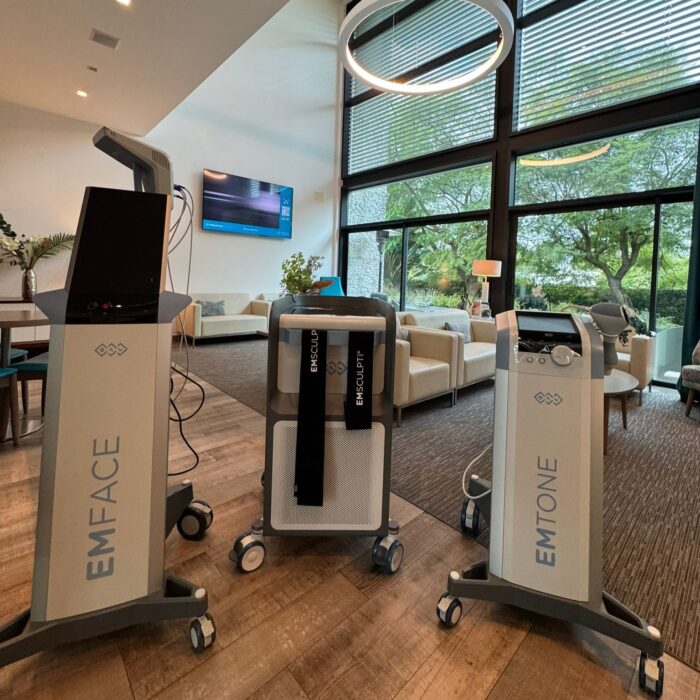
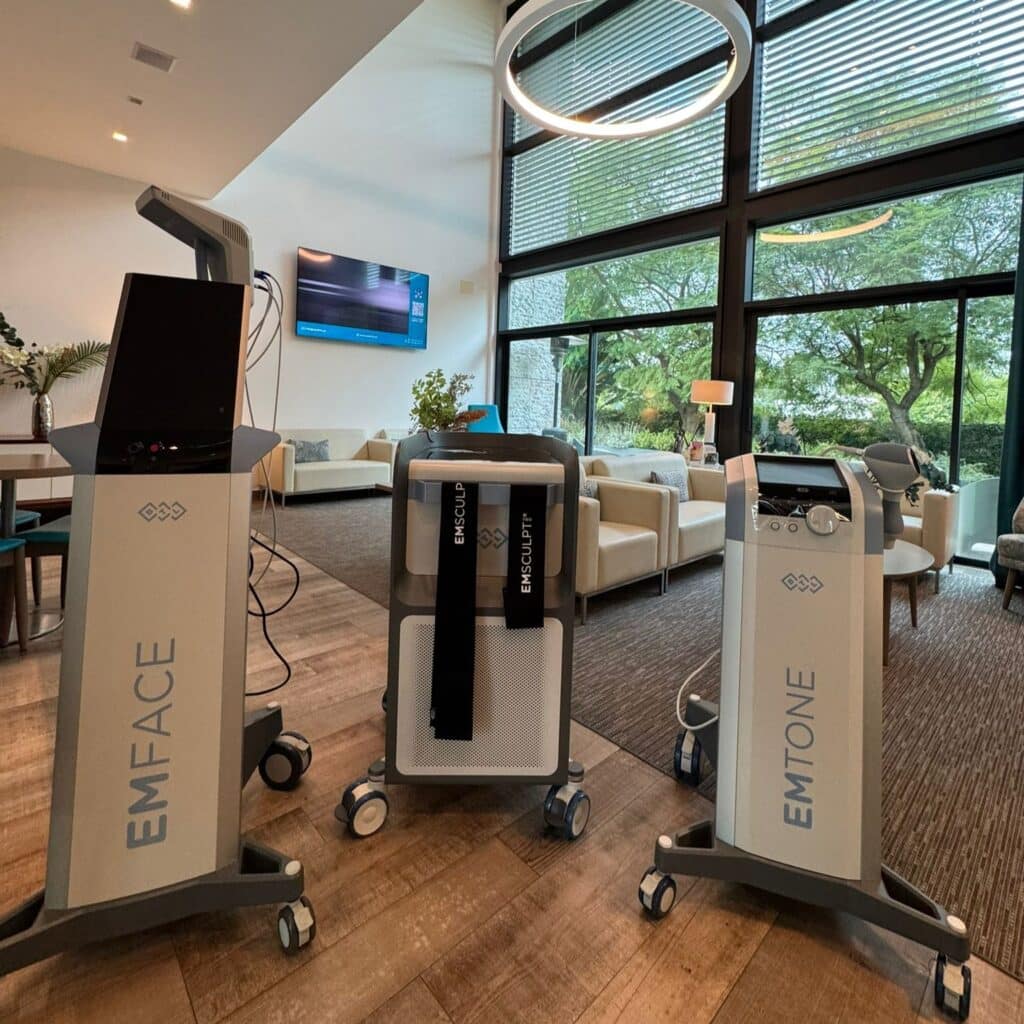
Advanced medical devices can address skin laxity, improve skin texture, remodel body contours, and reduce the appearance of cellulite. These include technologies such as Morpheus, EMSCULPT NEO, and EMTONE.
Injectable Treatments
Injectable treatments can improve body contour, reinforce structural tissue support, and create a more harmonious silhouette. Among the most widely used options there are treatments based on poly-L-lactic acid (PLLA), and treatments composed of calcium hydroxylapatite (CaHA). Both products are recognised for their ability to stimulate collagen production while progressively and naturally improving skin quality.
Subcision
Subcision may be indicated in selected cases of fibrotic cellulite, where fibrous septae are responsible for the characteristic skin depressions.
Combination Protocols
In most patients, optimal outcomes are achieved through customised treatment plans that combine multiple techniques according to the predominant anatomical concerns.
The Importance of a Personalised Assessment
Not every patient requires the same treatment. A comprehensive medical assessment should consider:
- Body anatomy
- Skin quality
- Degree of skin laxity
- Type and severity of cellulite
- Fat distribution
- Muscle mass
- Individual expectations
A personalised evaluation allows the development of a realistic treatment plan tailored to each patient’s natural anatomy and aesthetic goals.
Results: Gradual and Individualised
Results from buttock treatments develop progressively over time. Outcomes vary according to the severity of the initial condition, tissue quality, age, lifestyle, and adherence to the recommended treatment plan.
It is important to emphasise that there is currently no definitive cure for cellulite, as it is a structural and multifactorial condition. The objective of treatment is to achieve a significant improvement in skin appearance, texture, firmness, and body contour.
The Impact of Lifestyle on Treatment Outcomes
Daily habits have a direct influence on tissue quality and the longevity of treatment results. Physical activity, body composition, nutrition, smoking, hydration, and hormonal changes all play an important role in both the development and progression of skin laxity and cellulite.
For this reason, medical treatments should ideally be complemented by healthy lifestyle habits to optimise and maintain results.
A Modern, Integrated Approach to Buttock Treatments
Aesthetic medicine has evolved considerably over recent years. Today, buttock treatments are no longer focused solely on increasing volume.
The current approach aims to address multiple aspects simultaneously, including:
- Volume
- Firmness
- Cellulite
- Skin quality
- Overall body harmony
At UP Clinic, every treatment plan is individually designed following a comprehensive medical assessment and based on evidence-based protocols tailored to each patient’s unique needs.
Book your consultation today and discover which buttock treatment is most suitable for your individual goals.